
Revolutionizing Communication: The Latest Advancements in AI Chatbot Technology
Introduction
AI chatbots have emerged as indispensable tools in modern technology, revolutionizing the way businesses and users interact. Their significance lies in their ability to provide immediate assistance, streamline communication, and enhance user experiences across various platforms. The continuous advancements in AI chatbot technology have paved the way for more engaging and human-like interactions.
Recent innovations in AI chatbots focus on enhancing user interaction through several key advancements. For instance, modern Natural Language Processing (NLP) techniques allow chatbots to understand context and nuances better than ever before. This results in conversations that feel more natural and intuitive 1, 2. Additionally, the integration of machine learning algorithms enables chatbots to learn from user interactions, providing personalized responses that greatly improve user satisfaction and retention 3, 4.
As chatbot technology continues to evolve, these advancements not only enhance user engagement but also pave the way for broader applications in various sectors, making AI chatbots a cornerstone for future interactions in both customer service and beyond.
Key Advancements in AI Chatbot Technology
Natural Language Processing (NLP)
Modern NLP techniques significantly enhance the way chatbots understand context. With advanced algorithms, chatbots can comprehend not just the words but also the nuances behind them, resulting in more human-like interactions. This contextual comprehension is vital as it allows for fluid conversations, where the chatbot can follow the user’s lead, ensuring that dialogues feel natural and engaging. The increasing sophistication of NLP is paving the way for chatbots to conduct meaningful exchanges rather than mere transactional communication.
Personalization
The role of machine learning algorithms in personalizing chatbot responses cannot be understated. By analyzing past interactions, chatbots learn user preferences and modify their responses accordingly, leading to a highly individualized experience. This level of personalization has a pronounced effect on user satisfaction and retention, making conversations feel tailored and relevant to each user. Consequently, users are more likely to engage with services that recognize and adapt to their unique needs.
Multimodal Interactions
The advent of multimodal interactions is transforming chatbot usability. By integrating voice and visual inputs, chatbots can cater to diverse user preferences, enhancing the overall experience. This integration is particularly significant in customer service settings, where users may prefer to communicate via speech or images, thereby fostering a more interactive environment. The dynamic aspect of multimodal interactions signals a shift towards more versatile and engaging technology.
Emotional Intelligence
Recent advancements in emotional intelligence are enabling chatbots to recognize and respond to human emotions effectively. This capability is invaluable, especially in applications related to mental health support. Not only does it help in providing empathetic responses during conversations, but it also enhances the customer service experience by tailoring interactions based on emotional cues. By understanding and responding to users’ feelings, chatbots can forge deeper connections and foster user loyalty.
Integration with Other Technologies
AI chatbots are increasingly being integrated with other advanced technologies like Augmented Reality (AR) and the Internet of Things (IoT). This collaboration not only expands their functionalities but also broadens user experiences, allowing chatbots to perform a wider range of tasks. For instance, combining chatbots with IoT devices can facilitate seamless interactions, where users can control various smart devices using conversational commands, streamlining their interactions across different platforms.
Regulatory and Ethical Considerations
In the development of chatbots, there is a growing emphasis on privacy, security, and ethical usage. Ongoing advancements focus on ensuring transparency and respecting user data, which is essential in building trust with users. The integration of robust ethical frameworks in chatbot technology is crucial for maintaining a balance between innovation and user protection, thereby fostering a responsible approach to AI development.
Broader Implications and Applications
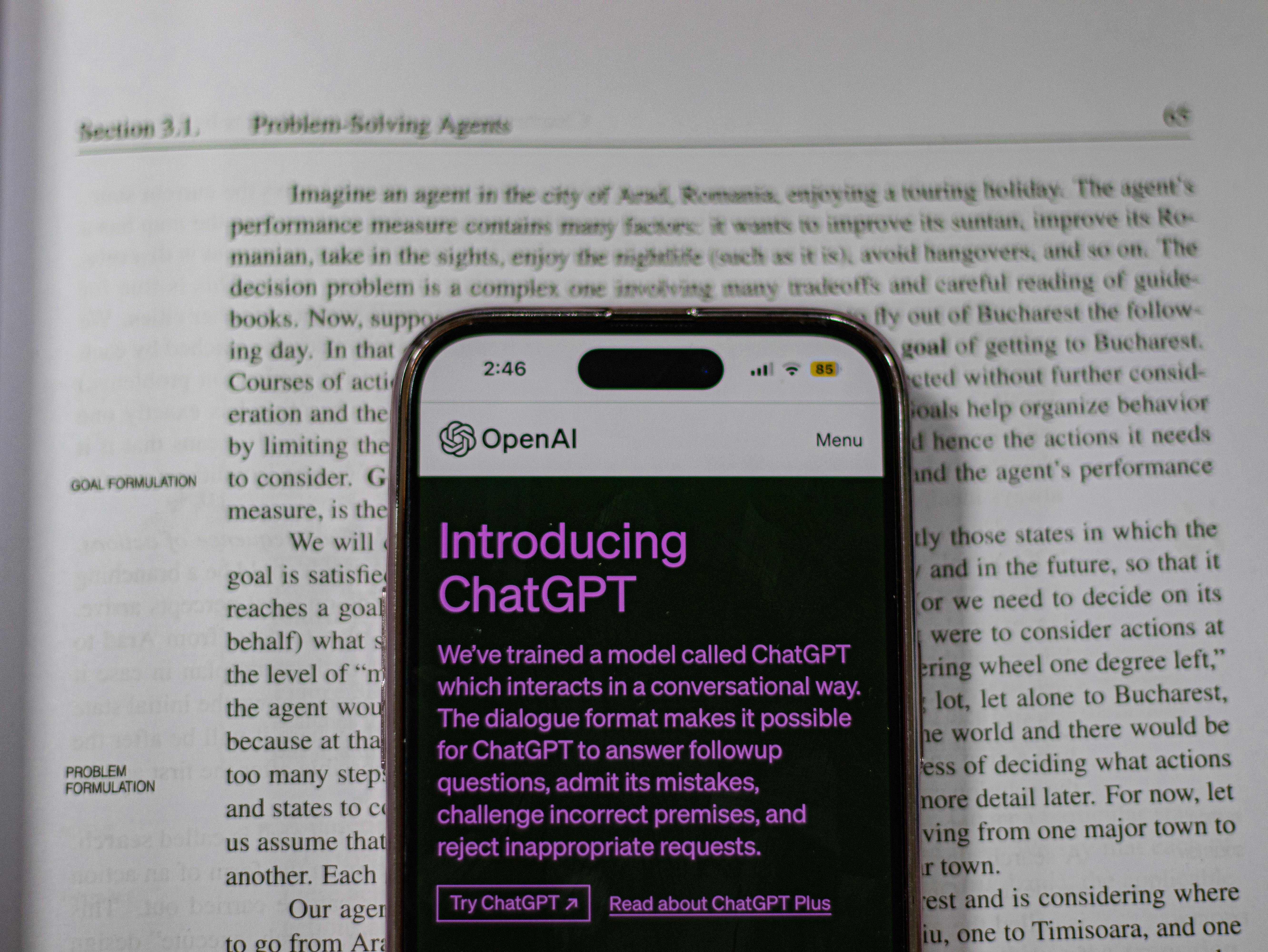
The introduction of Generative Pre-trained Transformer (GPT) models has brought about a significant transformation in the capabilities of AI chatbots. These models enhance the conversational abilities of chatbots, enabling them to generate human-like responses and engage in more natural interactions. For instance, GPT models have improved user interaction by allowing chatbots to emulate conversational nuances, thereby providing a more satisfying experience for users. The effective incorporation of these models has drastically improved the way chatbots can operate within various platforms and applications.
Generative Pre-trained Transformer (GPT) Models
- Impact on Conversational Abilities: The integration of GPT models has revolutionized how chatbots communicate. They enable AI to produce relevant and context-aware dialogues, which contribute to more personalized conversations.
- Examples of Human-like Text Generation: Users can experience dialogues that are coherent and contextually appropriate, thus reducing the frustration often associated with traditional chatbots that rely on fixed responses.
- Improved User Interaction: The advancements from GPT models allow chatbots to maintain the context over extended conversations, making interactions fluid and dynamic, which is a notable improvement from previous technologies 1.
Diverse Applications of AI Chatbots
AI chatbots are not confined to a single use case; their capabilities have made them valuable across various industries.
- Adoption in Multiple Sectors: Businesses have rapidly integrated chatbots within customer service, sales, marketing, and user engagement channels. This versatility demonstrates the adaptability of AI to cater to diverse needs in different sectors.
- Key Cases of Versatility: Numerous organizations have successfully deployed AI chatbots to streamline workflows and enhance customer engagement. This includes applications ranging from handling customer inquiries in real-time to educational tools in e-learning setups 2.
As AI technologies like GPT continue to evolve, we can expect further enhancements in chatbot functionalities, paving the way for more sophisticated and effective applications in the future.
Transforming Customer Service with GPT
Customer service has become a pivotal aspect of business operations, with companies increasingly turning to innovative technologies for efficient solutions. At the forefront of this transformation is Generative Pre-trained Transformer (GPT) technology, which has gained significant traction in enhancing customer support services. The demand for swift and reliable assistance has prompted organizations to adopt GPT, streamlining their interactions with customers and improving overall satisfaction.
Core Applications of GPT in Customer Service
Instant Automated Responses
One of the primary advantages of GPT in customer service is its ability to provide instant, automated responses to common inquiries. This capability allows businesses to address frequently asked questions swiftly, freeing up human agents for more complex issues.
Reduction in Response Times
GPT significantly reduces response times, ensuring that customer queries are answered promptly. In an era where consumers expect quick resolutions, this feature enhances service efficiency and helps maintain customer loyalty.
24/7 Operation
With GPT technology, organizations can operate around the clock without the need for human agents. This continuous availability ensures customers can access support whenever they need it, regardless of time zones or business hours.
Personalized Interactions
Utilizing customer data, GPT enables businesses to offer personalized interactions. By analyzing previous interactions and preferences, it tailors responses to individual needs, fostering a more engaging customer experience.
Enhanced Customer Satisfaction
The implementation of GPT results in enhanced customer satisfaction and engagement. By providing timely and relevant responses, customers are likely to feel valued and understood, which can lead to increased brand loyalty.
Workload Reduction for Human Agents
GPT alleviates the workload of human agents by taking care of routine inquiries. This allows customer service representatives to concentrate on addressing more challenging issues, ultimately leading to improved job satisfaction and efficiency within teams.
Multilingual Support
Another remarkable benefit of GPT is its ability to facilitate support in multiple languages. This aspect ensures accessibility for a diverse customer base, allowing businesses to meet the needs of their global clientele.
Enhanced Data Collection
When deployed, GPT aids in enhancing data collection for actionable insights. By analyzing customer interactions, organizations can identify trends and areas needing improvement, which helps refine their service strategies.
Seamless Integration
Finally, GPT can seamlessly integrate with existing customer service systems. This compatibility ensures that businesses can implement AI solutions without overhauling their current frameworks, making technology adoption smoother and more effective.
Through these core applications, GPT is revolutionizing customer service, driving efficiency, and elevating customer satisfaction levels across industries. With its transformative potential, GPT stands at the forefront of customer service solutions in today’s rapidly evolving business environment.
Additional Insights and Related Information
Cost Efficiency
Implementing AI solutions can result in significant cost savings for customer service operations. Organizations often find that they can operate with a reduced need for extensive human support teams, allowing resources to be allocated more effectively. This shift not only lowers operational costs but can also improve response times, enhancing overall customer satisfaction.
Learning and Adaptation Capabilities
AI systems are designed with the ability to learn from past interactions, making them capable of continuous improvement. This adaptive learning enables these systems to refine their processes over time, leading to more accurate and efficient responses. As customer expectations change, AI can swiftly adjust to meet new demands, keeping businesses competitive in a fast-evolving market.
Omni-channel Support Strategies
To provide a seamless customer experience, AI can manage inquiries across various platforms. This omni-channel support strategy ensures that customers receive consistent and timely assistance, regardless of their chosen communication method. By integrating responses across email, chat, social media, and phone, businesses can maintain a cohesive brand image and improve overall customer engagement.

